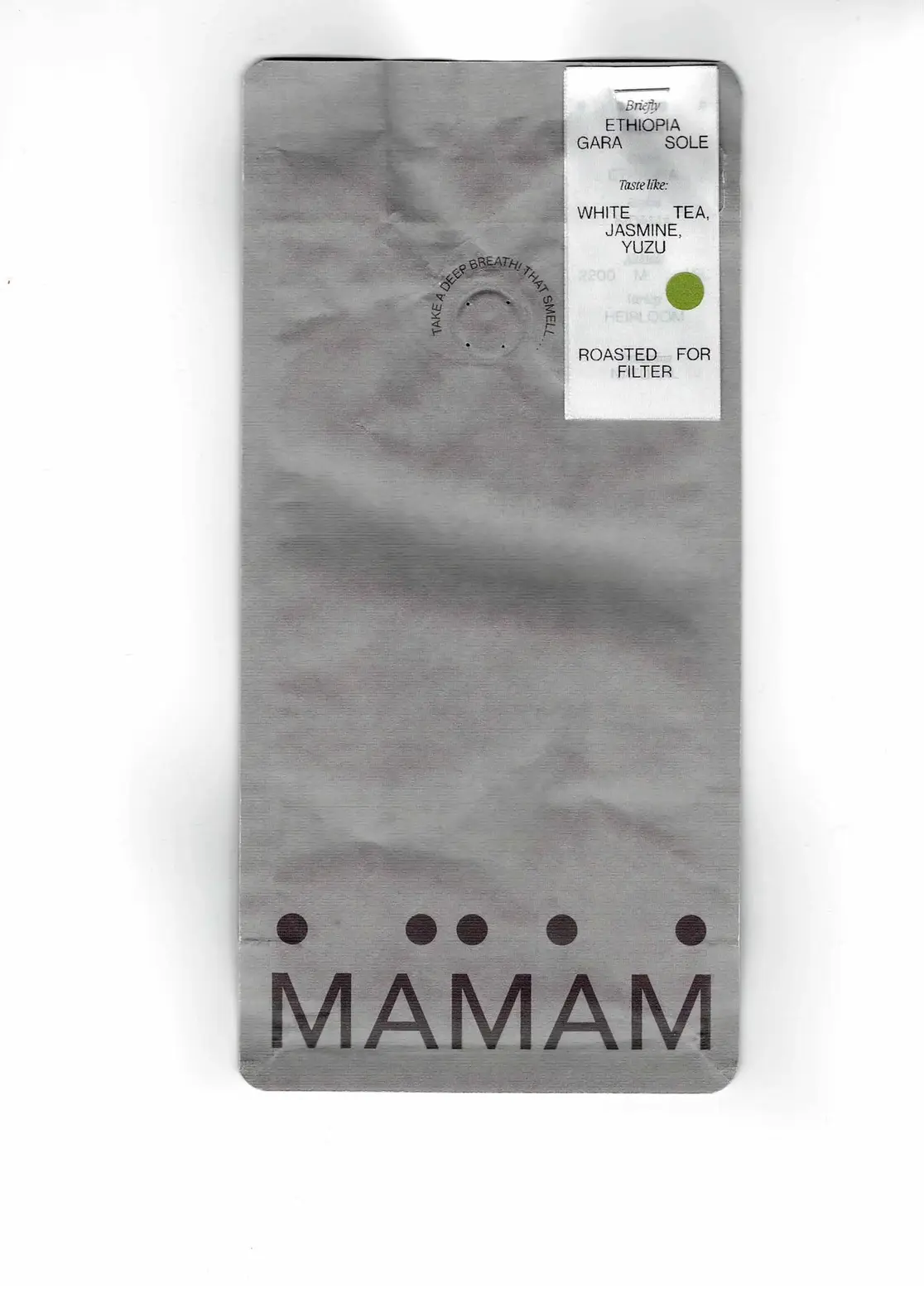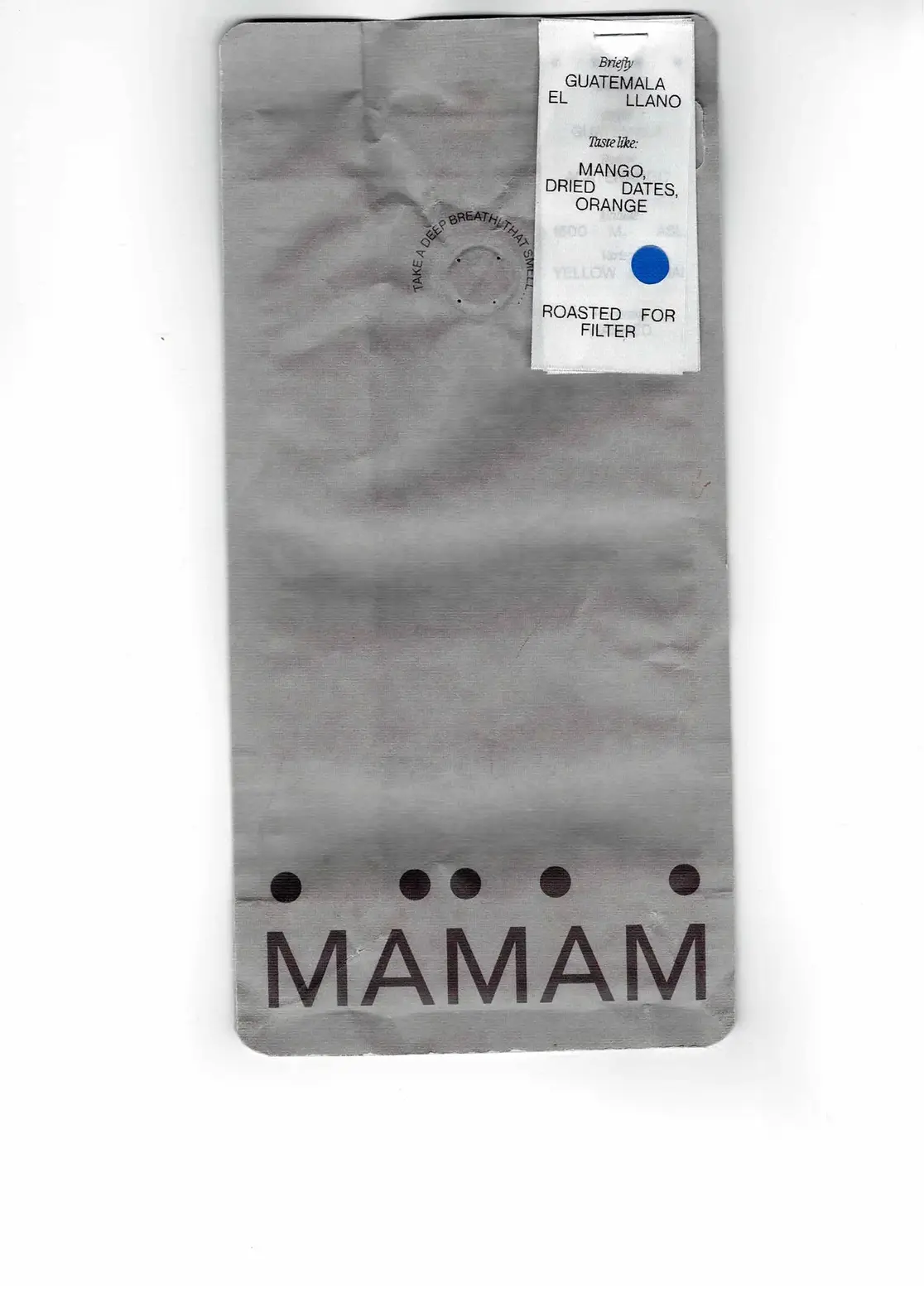
Mamam Guatemala El Llano
A complex taste profile that required dedicated time to appreciate. Drinking it mindlessly while doing something else felt wasteful. A reminder that high-quality coffee deserves dedicated attention.

A complex taste profile that required dedicated time to appreciate. Drinking it mindlessly while doing something else felt wasteful. A reminder that high-quality coffee deserves dedicated attention.

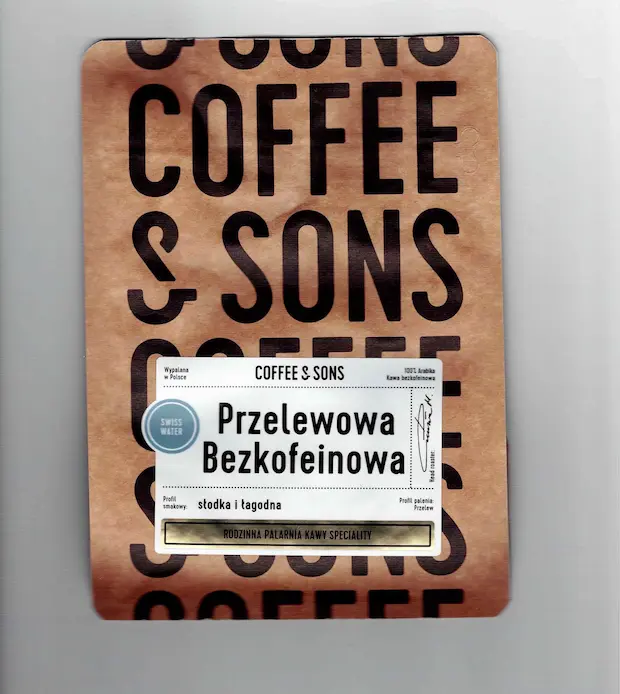
The Swiss Water decaffeination method promises a lot in terms of maintaining the original taste of the coffee. I couldn’t tell if the coffee itself was low quality (succinct info on the bag would suggest so), or if the process actually took its toll. Anyway, my usual AeroPress and pour-over recipes yielded poor results. I had to drink it with a splash of milk. A reasonable choice if you suddenly find yourself in need of an evening cappuccino.

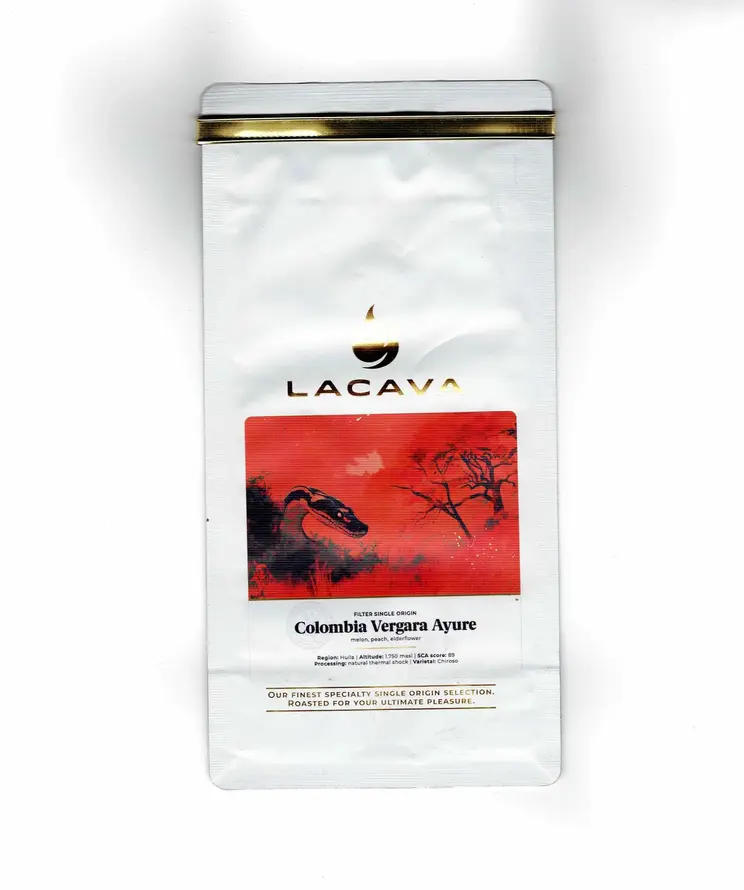
The first coffee with thermal shock processing I’ve tried. The fruity flavor was so incredible it’s hard to believe it wasn’t infused with actual fruits. I’ve had the opportunity to try other thermal shock processed coffees since then, and must say that the fruity bomb taste is quite distinct and hard to confuse with anything else. A smaller 200g bag instead of the standard 250g seems to be the trademark of Lacava’s premium offerings. ...

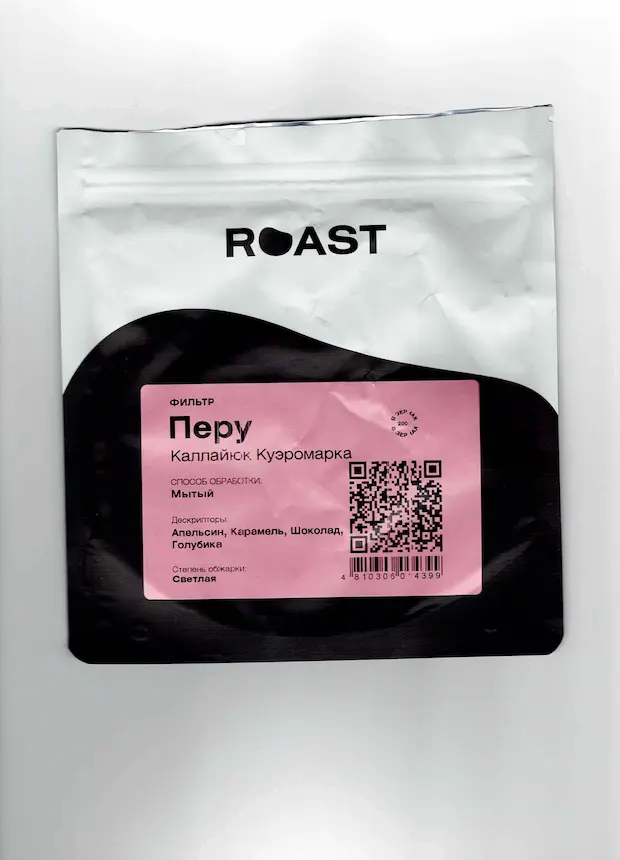
After a recent rather disappointing experience with coffee from Belarus, I kept my expectations low. This one, however, turned out to be surprisingly pleasant. I rarely can taste all of the notes the roaster lists on the packaging. This time I could distinctly taste all four: orange, caramel, chocolate, and blueberry. Peruvian coffees definitely deserve more attention.

Looking at the bag, a thought immediately sprang to my mind: “This totally looks like M&M’s”. This definitely influenced my experience, as after opening it, the smell reminded me of a bag of sweet chocolates. The tasting experience was similar: this coffee was as sweet as actual M&M’s. A perfect brew to lift your spirits during long workdays.

The roaster used to run the most orthodox café I’ve ever been to. Even though it’s no longer in operation, their passion and absolute dedication to quality shine through in the beans they roast. Yemeni coffee is hard to come by. This one offered a very distinct flavor of rubus blackberries, which is a very rare occurrence. In addition, the coffee is packed in a playfully designed box that’s a pure joy to interact with. ...

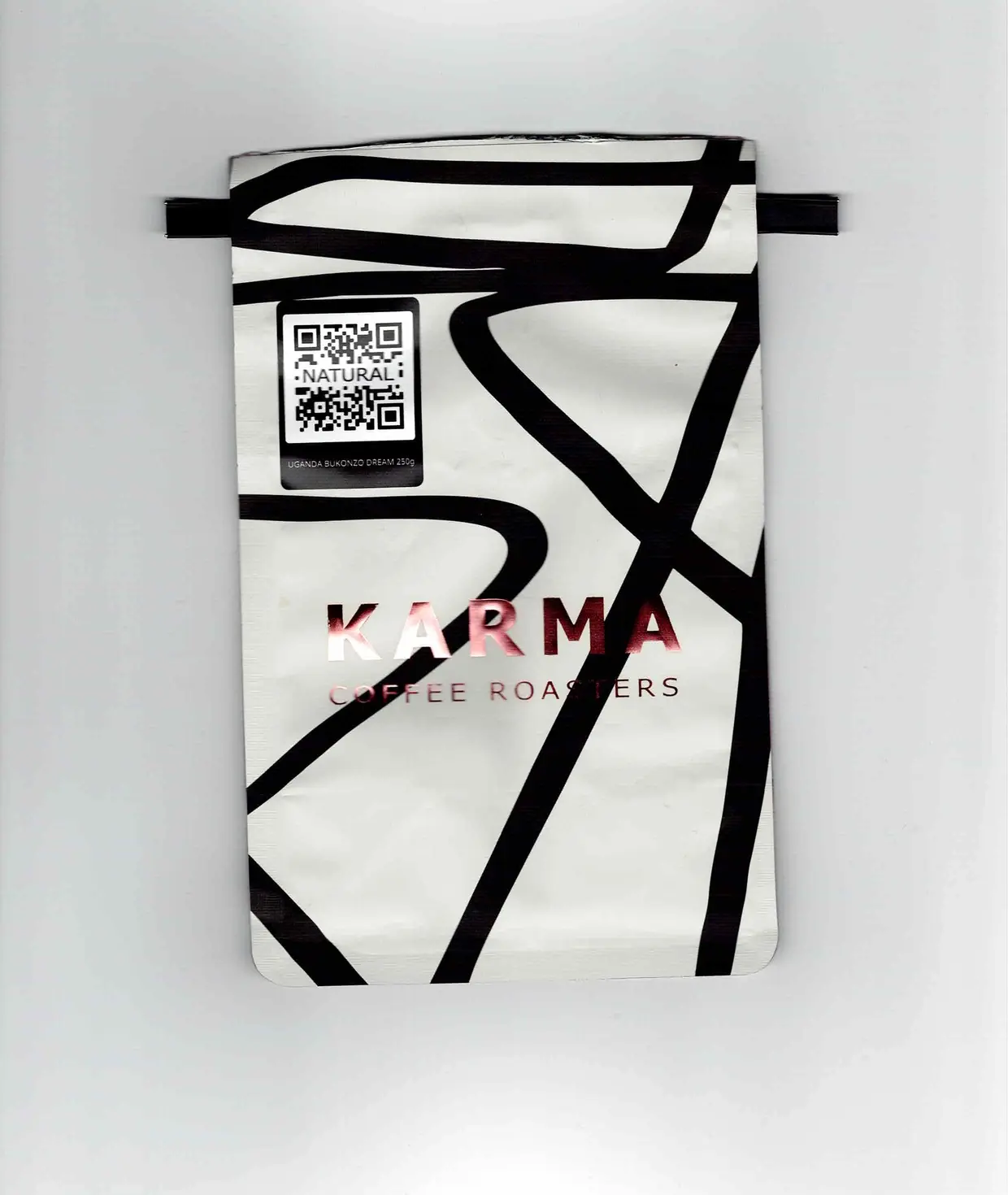
A gift from abroad. While it doesn’t match the quality of the rest of the lineup here, it served as a great drink for multitasking. For instance, while working or attending online business calls. P.S. I rarely get a chance to try their coffee, but they seem to change the design of their bags every time. Interestingly, judging by the sticker on the bottom of the bag, Belarus levies excise tax on specialty coffee. ...

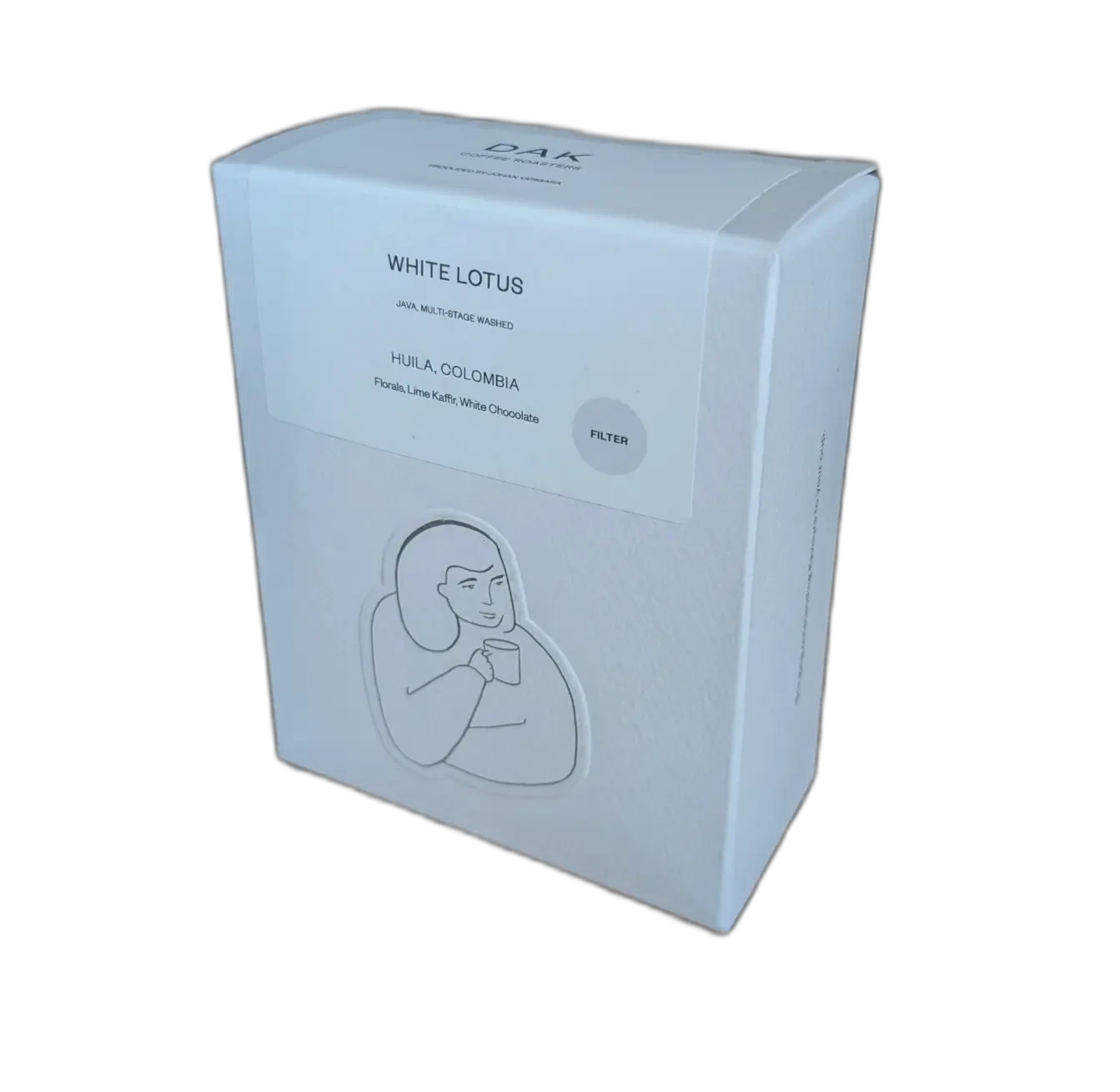
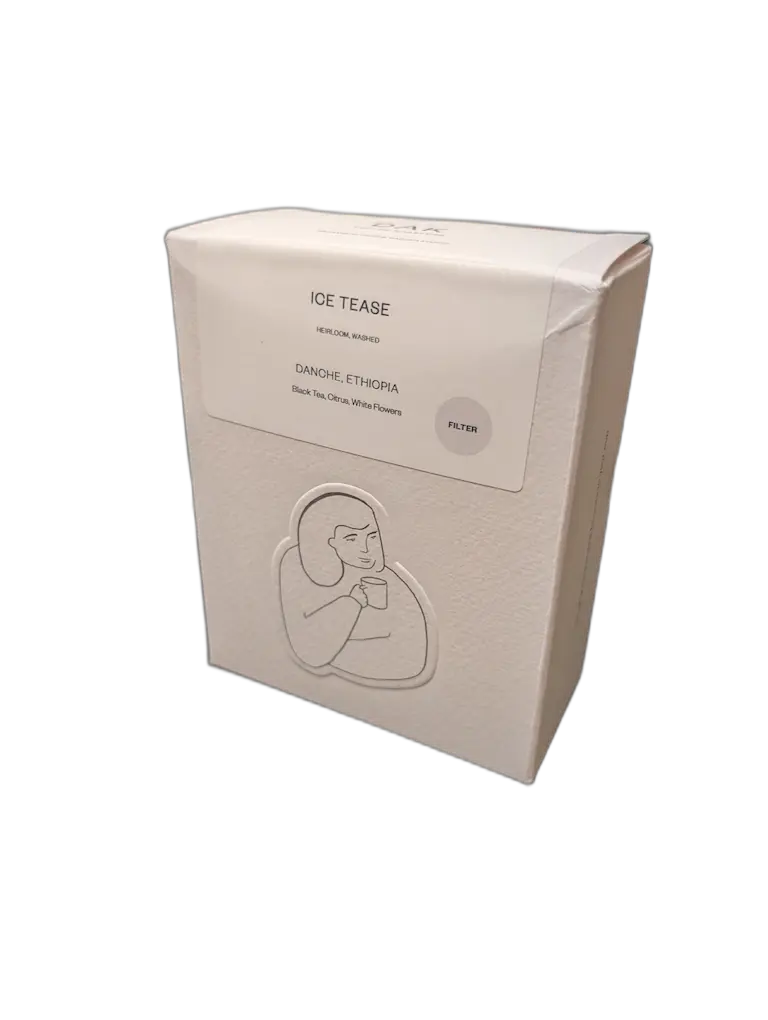
This one is S-tier. The carefully crafted and designed box truly matches the quality of every bean. During blind testing in cupping ceremonies with my friends — hosted 3 times with 4 different coffees each time — it won unanimously every single time. Surprisingly few roasters put as much attention into the design of their packaging. Scandinavians truly excel on that front.

La Cabra is Spanish for “goat”, a rather peculiar name for a Danish roaster. It might be a reference to the coffee origin story from Ethiopian folklore. My first encounter with them was during a short trip, when I walked into a promising-looking coffee shop and was served an incredibly clean cup brewed with a Delter Press. A coffee shop serving brews from Delter is such a rare occurrence, and having it taste so incredibly clean naturally led me to order a bag. Their prices are on the higher end, but the quality is impeccable. They promise a lot and actually deliver. This one worked well in both the AeroPress and Delter as a daily brew. ...

Sometimes serendipitous events make you question your life choices. I picked up this bag from a coffee shop I wandered into during a trip abroad, which happened to be hosting a cupping event. Following the roaster’s recommendation (who was leading the event), I decided to reduce my brewing temperature for all coffees from 96°C to 95°C. Additionally, when brewing a single cup with an AeroPress, I now add about 10% more water to the final cup. This gives me one or two extra sips, while consistently improving the cup quality. ...